Deutsch
 English
 français
 italiano
 русский
 español
 português
 العربية
 Nederlands
 한국의
한국의 Romania
 Bulgaria
 Melayu

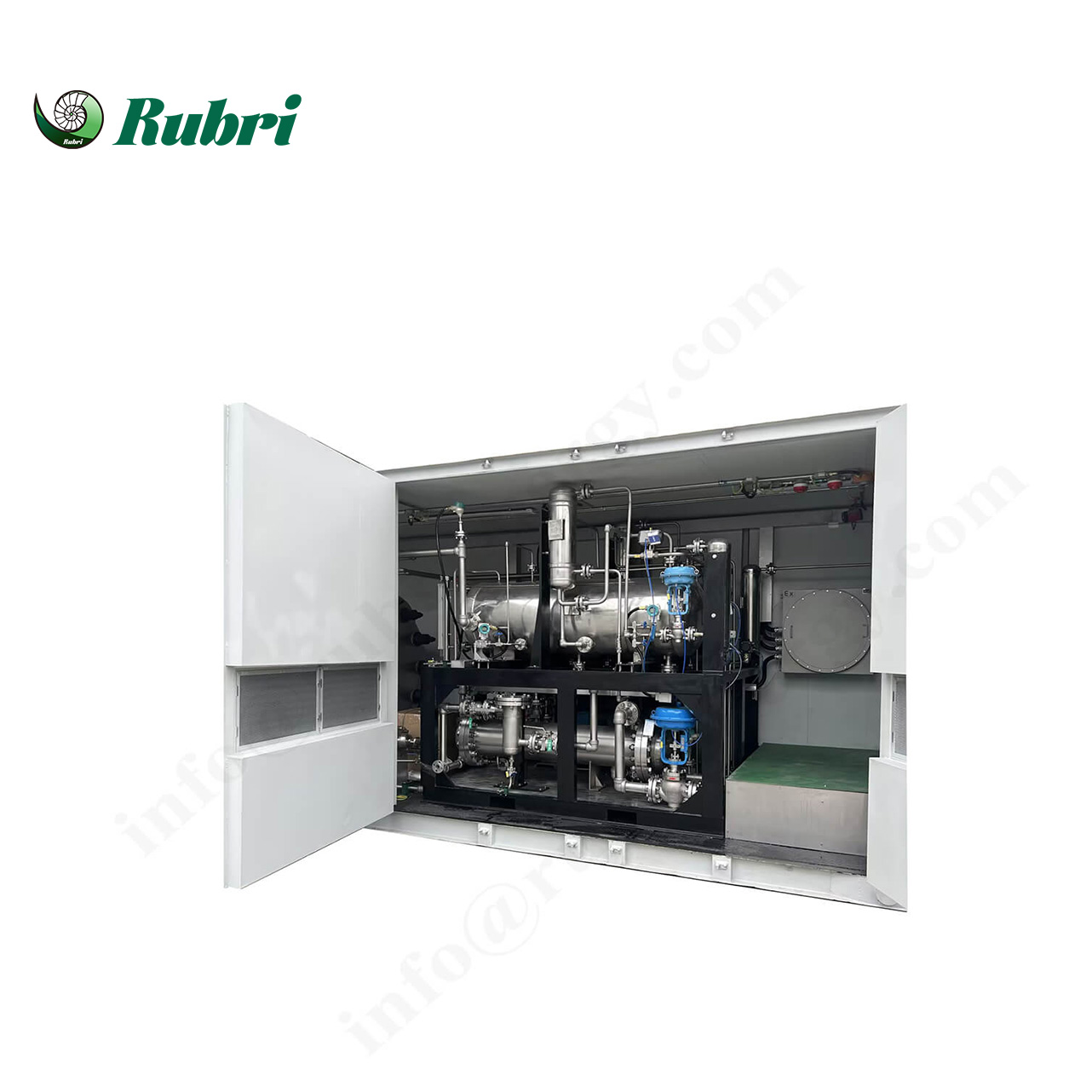
Rubri ist Experte für die bipolare Membran-Elektrodialyse-Technologie und verfügt über umfassende Erfahrung in der Entwicklung und Umsetzung kundenspezifischer Lösungen. So bietet Rubri seinen Kunden ganzheitliche, umweltfreundliche Produktionspläne.
Marke :
RubriBipolare Membran-Elektrodialyse
Produktbeschreibung
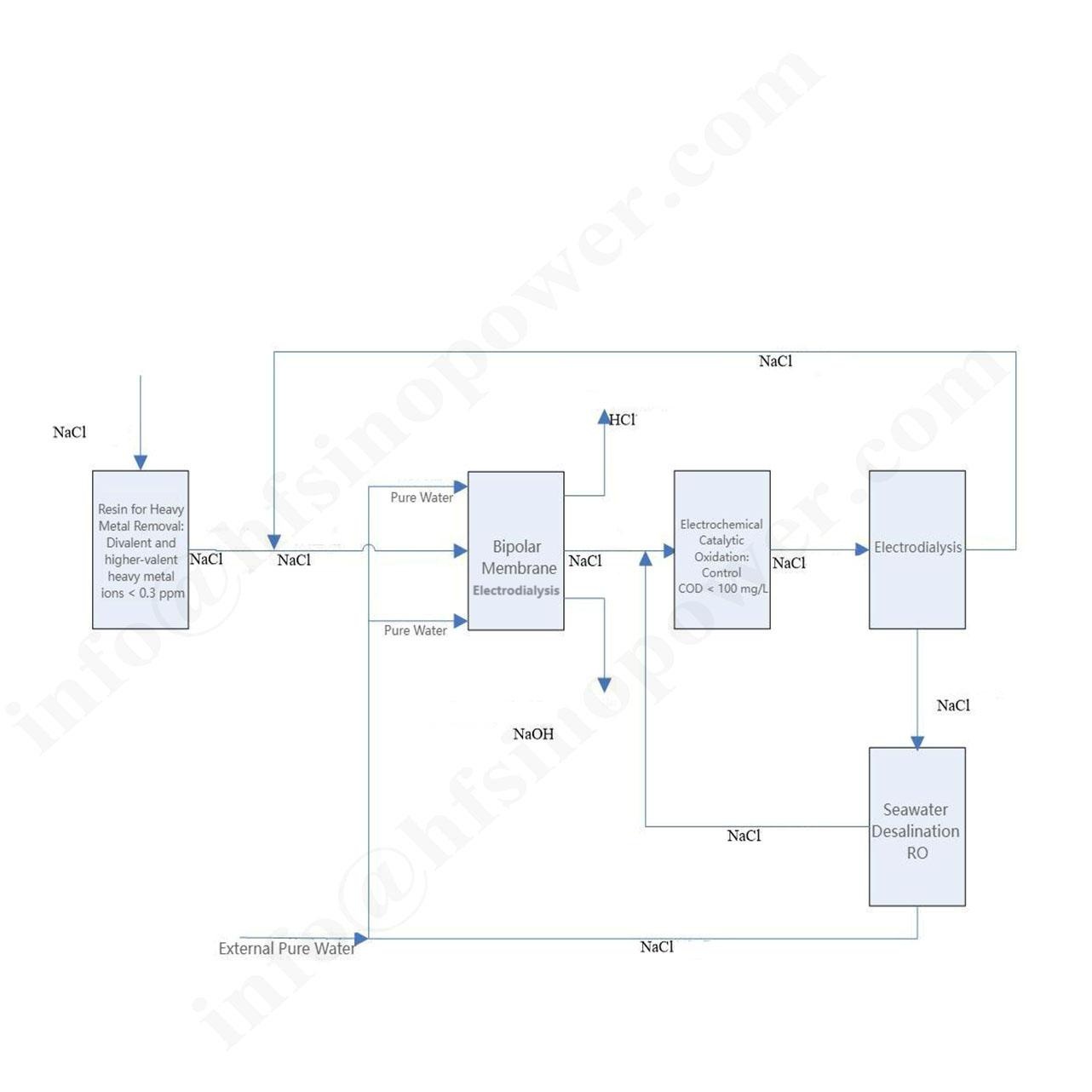
Anwendungsszenarien
1. Lithiumgewinnung aus Salzseen
2. Herstellung organischer Säuren
3. Herstellung organischer Alkaloide
4. Salzwasseraufbereitung
5. Chemisch reine Produktion
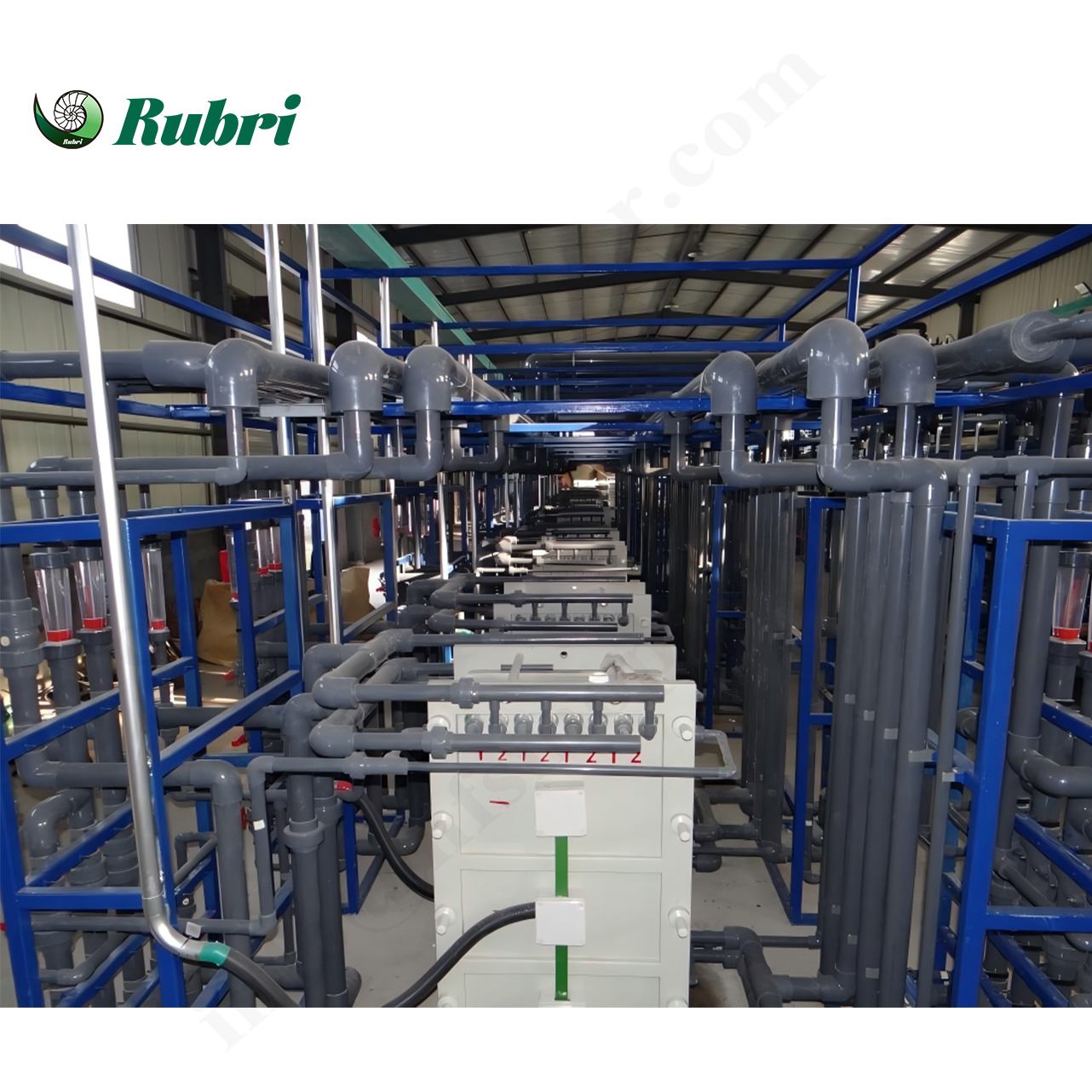
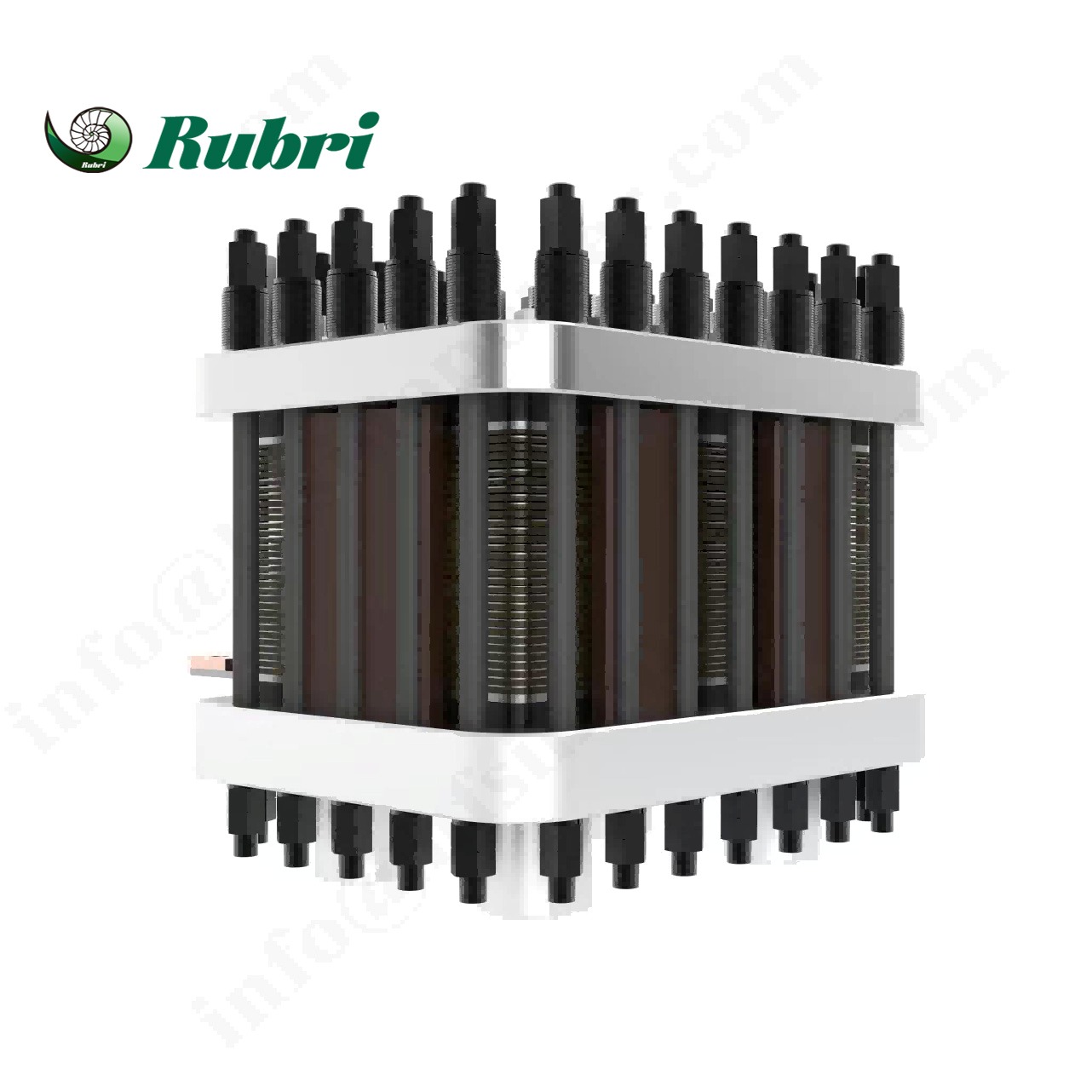
EinführungDie bipolare Membran-Elektrodialyse (BMED) ist eine fortschrittliche elektrochemische Trenntechnologie, die mithilfe eines speziellen Membranstapels Salze direkt in die entsprechenden Säuren und Basen umwandelt. Kernstück ist die bipolare Membran (BPM), die aus einer Kationenaustauscherschicht und einer Anionenaustauscherschicht besteht, die laminiert sind. Unter dem Einfluss eines Gleichstromfeldes katalysiert die BPM die Dissoziation von Wassermolekülen an ihren Grenzflächen, wodurch H⁺- und OH⁻-Ionen entstehen. Diese Ionen wandern durch den Membranstapel und reagieren mit den Anionen und Kationen einer Salzlösung, wodurch gleichzeitig Säure- und Basenprodukte gebildet werden.
Mehr lesen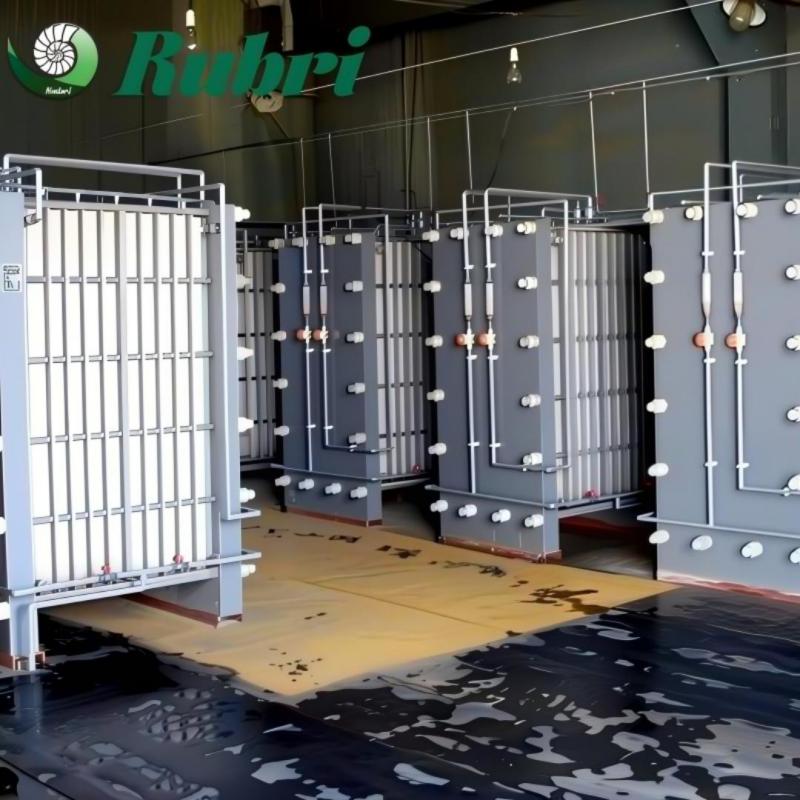
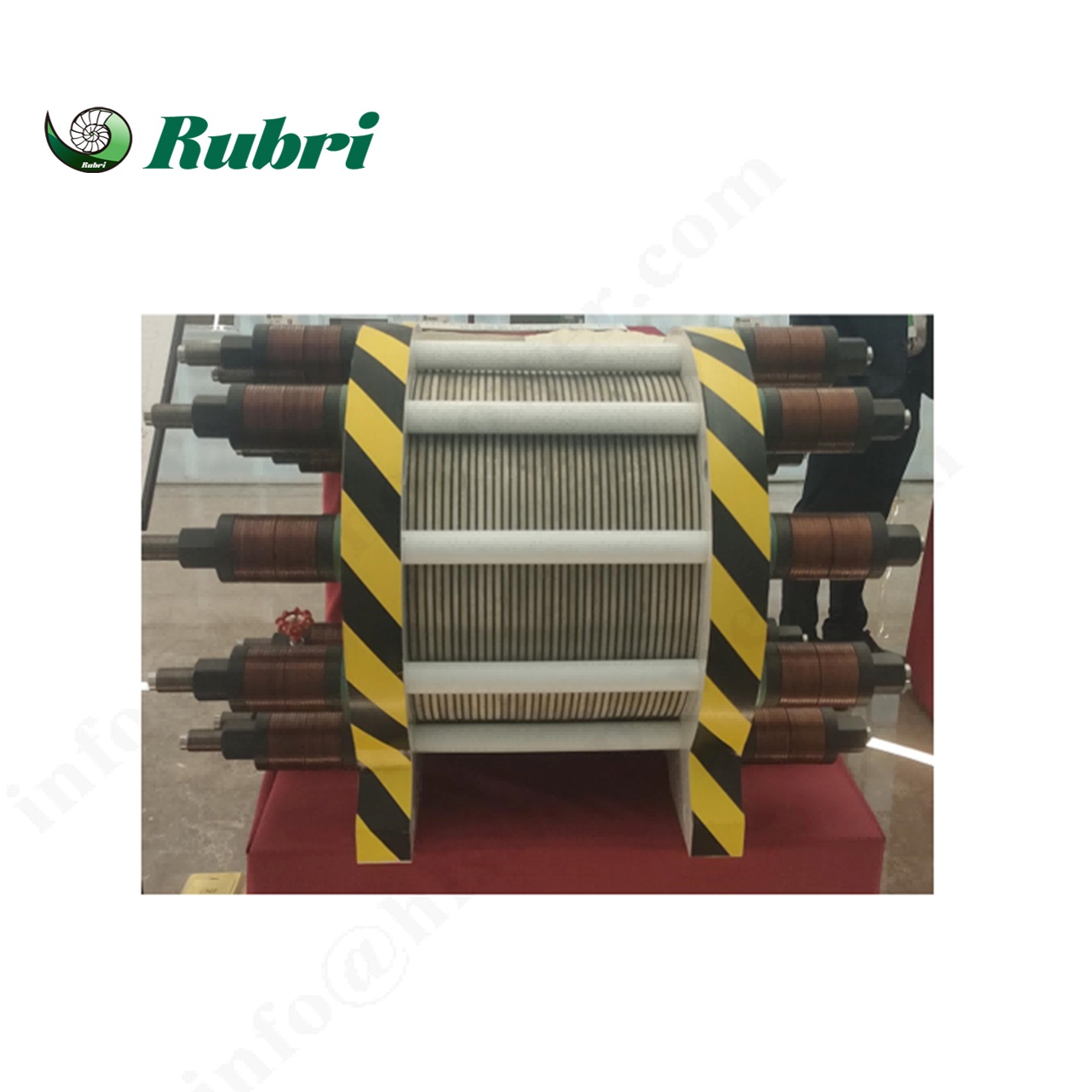
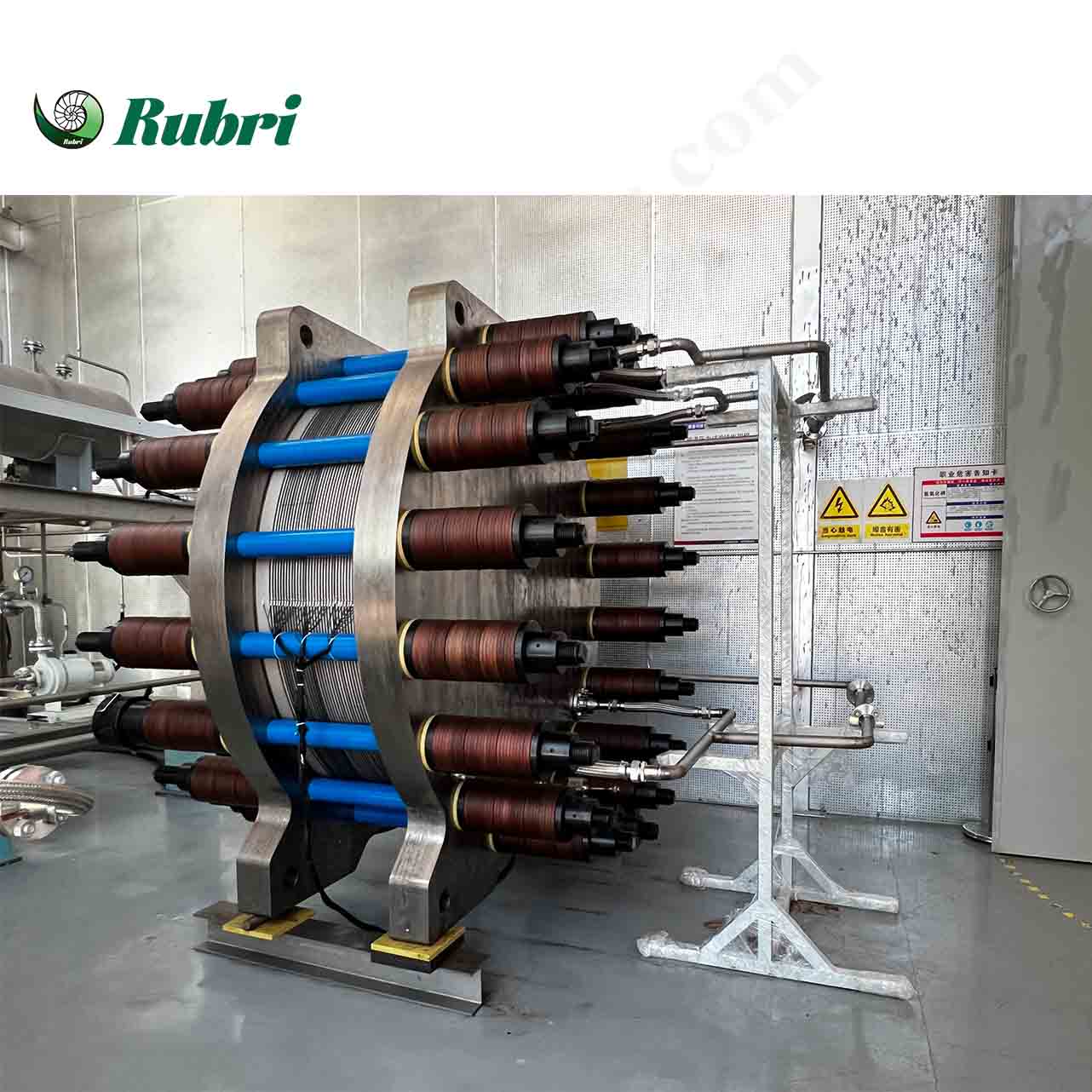
Der Elektrodialysator ist ein zentrales Gerät zur Ionentrennung, das auf der Elektrodialysetechnologie basiert. Durch Anlegen eines Gleichstromfeldes und den Einsatz von Anionen- und Kationenaustauschmembranen ermöglicht er die gerichtete Migration und Trennung von Ionen in Flüssigkeiten. Dank seiner einfachen und zuverlässigen Bauweise ist er in verschraubten und hydraulisch integrierten Ausführungen für unterschiedliche Anwendungsbereiche erhältlich. Er findet breite Anwendung in der Meerwasserentsalzung, der industriellen Abwasserbehandlung, der Lebensmittelkonzentration, der pharmazeutischen Reinigung und der Elektrolytverarbeitung für neue Energien und ermöglicht die effiziente Entsalzung, Konzentration und Entfernung ionischer Verunreinigungen von Lösungen.
Mehr lesen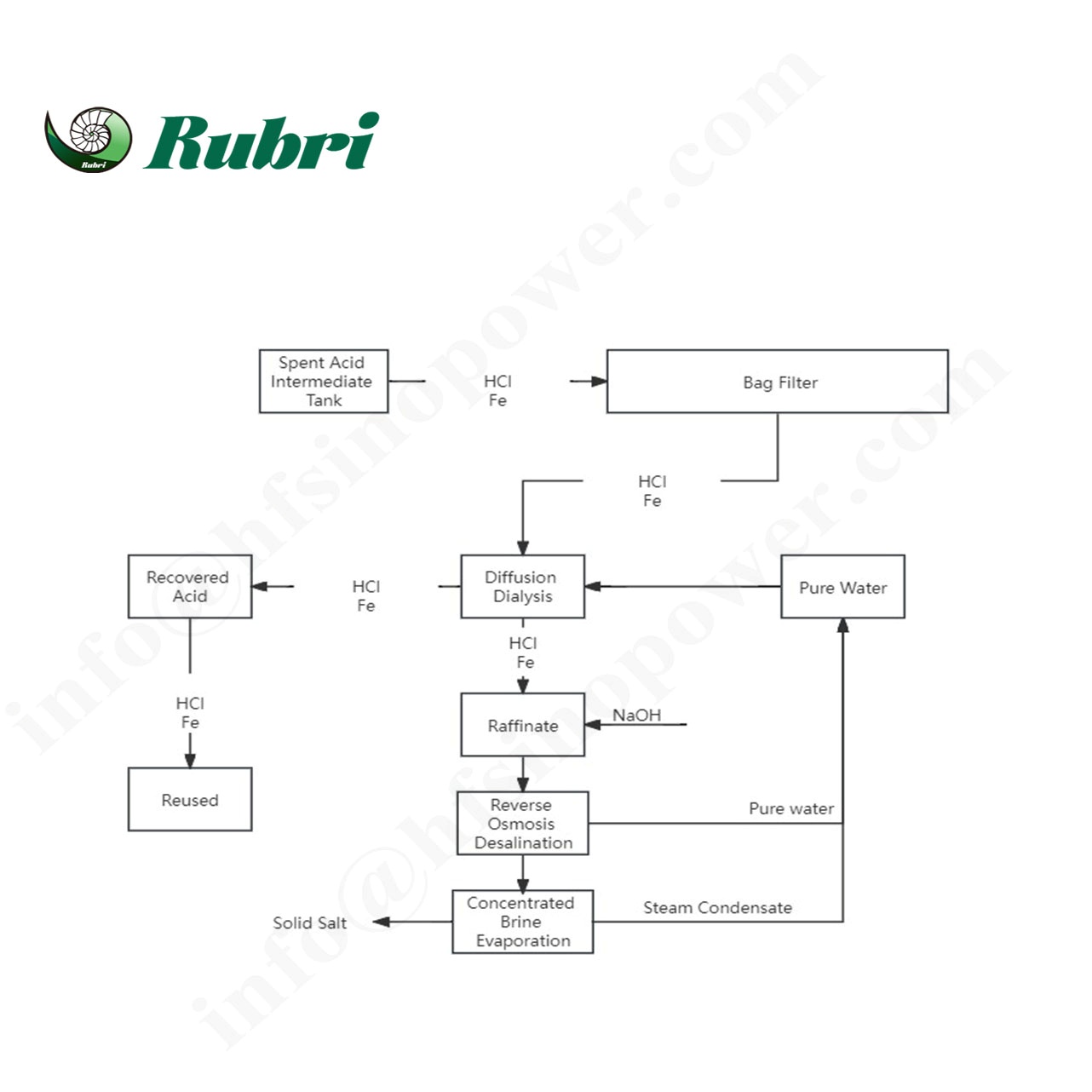
Rubri ist Experte für Diffusionsdialysetechnologie und verfügt über umfassende Erfahrung in der Entwicklung und Umsetzung kundenspezifischer Lösungen. So bietet Rubri seinen Kunden umweltfreundliche und saubere Produktionslösungen.
Mehr lesen
Rubri ist Experte für die bipolare Membran-Elektrodialyse-Technologie und verfügt über umfassende Erfahrung in der Entwicklung und Umsetzung kundenspezifischer Lösungen. So bietet Rubri seinen Kunden ganzheitliche, umweltfreundliche Produktionspläne.
Mehr lesen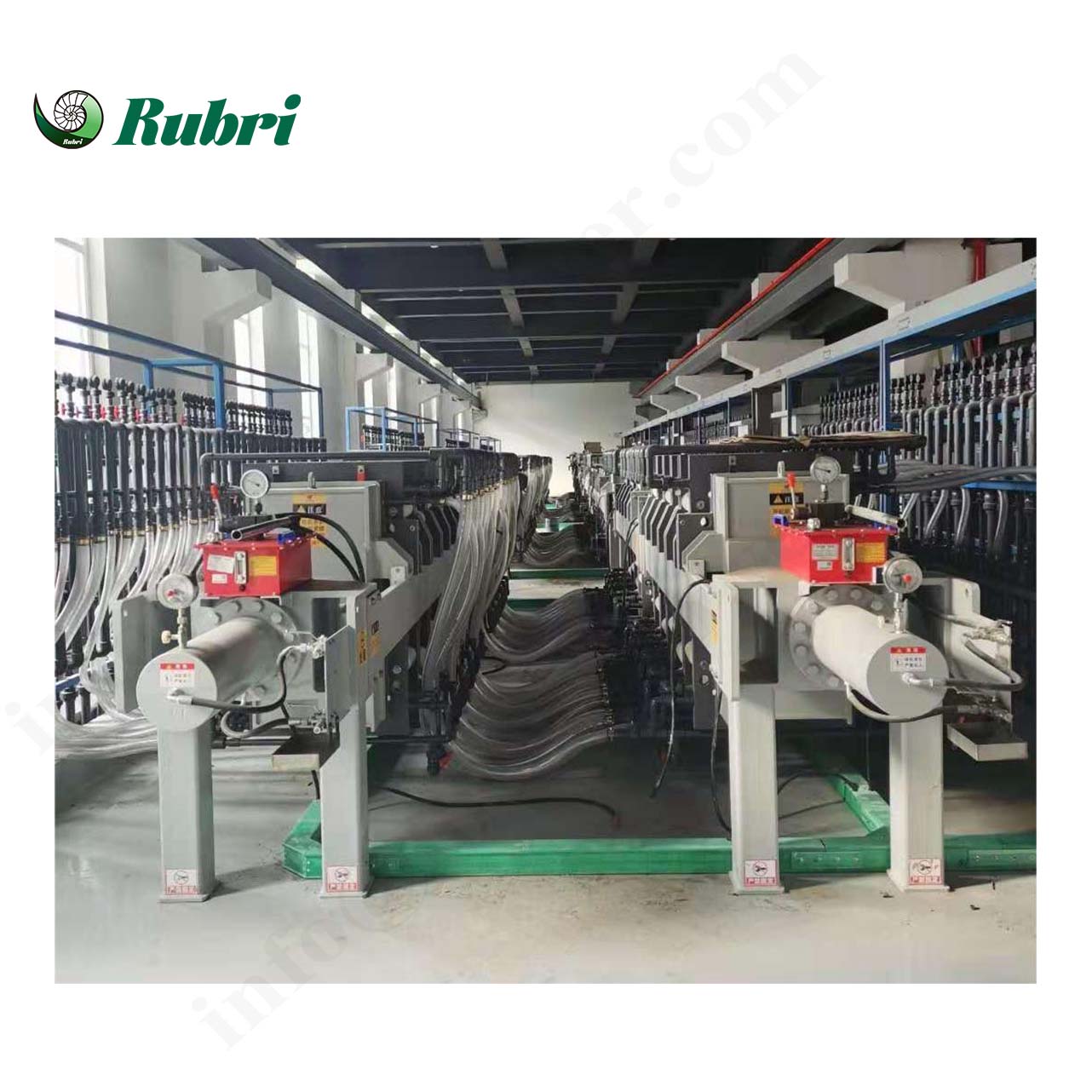
Grundprinzip der ElektrodialyseDas Kernstück der Elektrodialysetechnologie liegt in der Kombination von elektrischem Feld und selektiver Membrantechnologie, wobei das spezifische Prinzip in zwei Teile unterteilt ist:1. Antriebswirkung des GleichstromfeldesUnter dem Einfluss eines Gleichstromfeldes bewegen sich Anionen und Kationen in der Lösung gerichtet: Kationen wandern zur negativen Elektrode, Anionen hingegen zur positiven Elektrode.2. Selektive Siebwirkung von IonenaustauschermembranenIm System werden zwei Arten von Ionenaustauschermembranen zur Ionentrennung eingesetzt:Kationenaustauschmembran: Lässt nur Kationen durch (z. B. Na+).+, Ca2+, Mg2+) durchzulassen, während Anionen blockiert werden.Anionenaustauschmembran: Lässt nur Anionen (z. B. Cl⁻) durch.-, ALSO42-) durchzulassen, während Kationen blockiert werden.
Mehr lesen
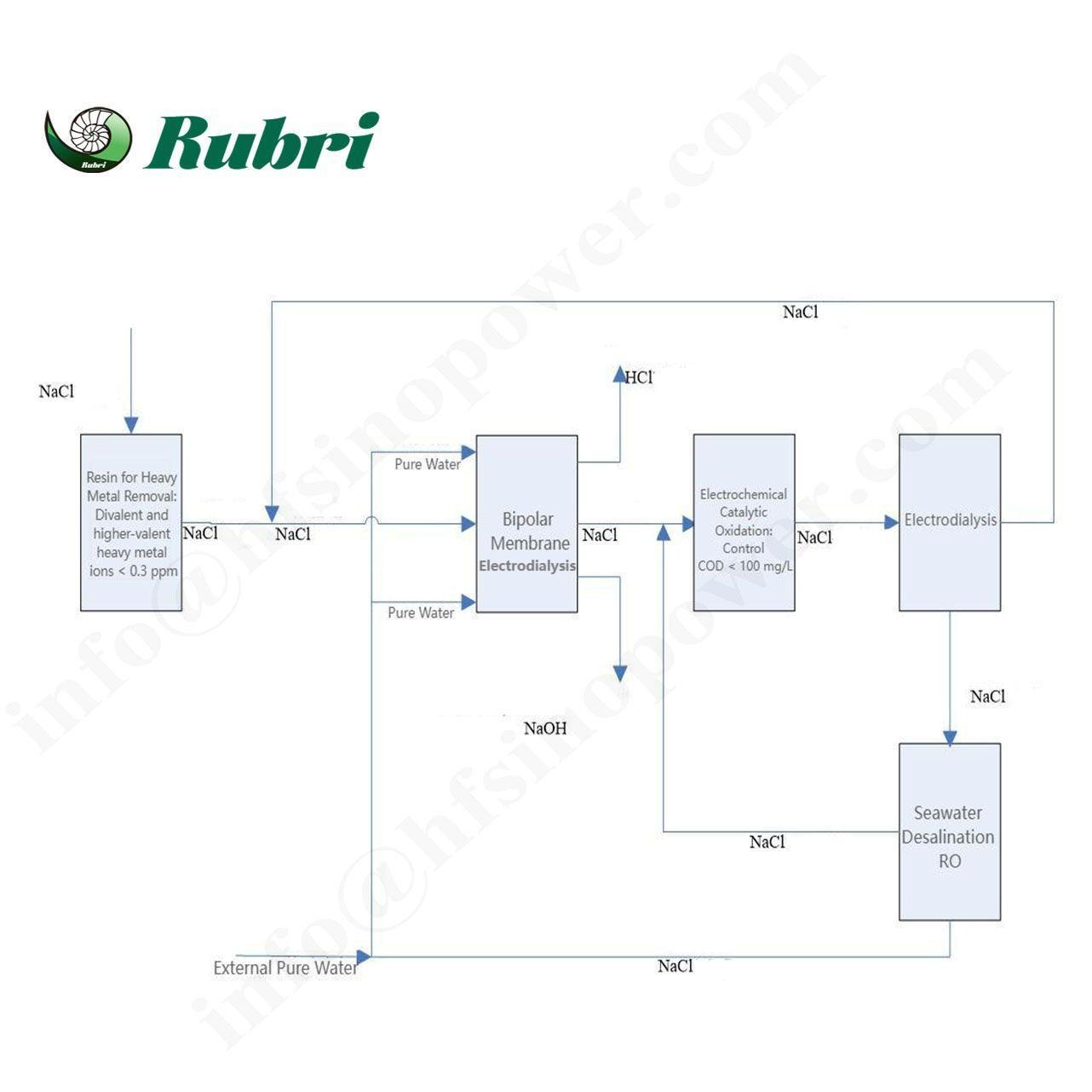
Diese Technologie basiert auf dem Prinzip der bipolaren Membran-Elektrodialyse. Unter Einwirkung eines Gleichstromfeldes werden Wassermoleküle mithilfe bipolarer Membranen effizient in Wasserstoff- und Hydroxidionen gespalten. Dadurch werden Salze im Galvanikabwasser (wie Natriumchlorid, Natriumsulfat usw.) gezielt in entsprechende Säuren (wie Salzsäure, Schwefelsäure) und Laugen (wie Natriumhydroxid) umgewandelt. Dies ermöglicht die gleichzeitige Abwasserreinigung und Rohstoffrückgewinnung.
Mehr lesen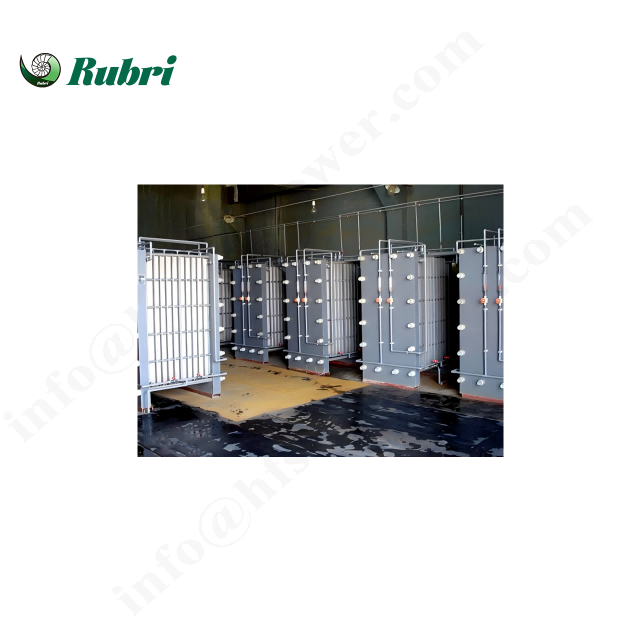
Grundprinzip der ElektrodialyseDas Kernstück der Elektrodialysetechnologie liegt in der Kombination von elektrischem Feld und selektiver Membrantechnologie. Ihr spezifisches Prinzip lässt sich in zwei Teile gliedern:Antriebswirkung des Gleichstromfeldes und des KonzentrationsgradientenUnter dem Einfluss eines Gleichstromfeldes oder eines Konzentrationsgradienten bewegen sich Anionen und Kationen in der Lösung gerichtet: Kationen wandern zur negativen Elektrode, Anionen zur positiven Elektrode; gelöste Stoffe bewegen sich von Lösungen mit hoher Konzentration zu solchen mit niedriger Konzentration.Selektiver Siebeffekt von IonenaustauschermembranenIm System werden zwei Arten von Ionenaustauschermembranen zur Ionentrennung eingesetzt:Kationenaustauschmembran: Lässt nur Kationen (z. B. Na⁺, Ca²⁺, Mg²⁺) passieren, während Anionen zurückgehalten werden.Anionenaustauschmembran: Lässt nur Anionen (z. B. Cl⁻, SO₄²⁻) durch, während Kationen zurückgehalten werden.
Mehr lesen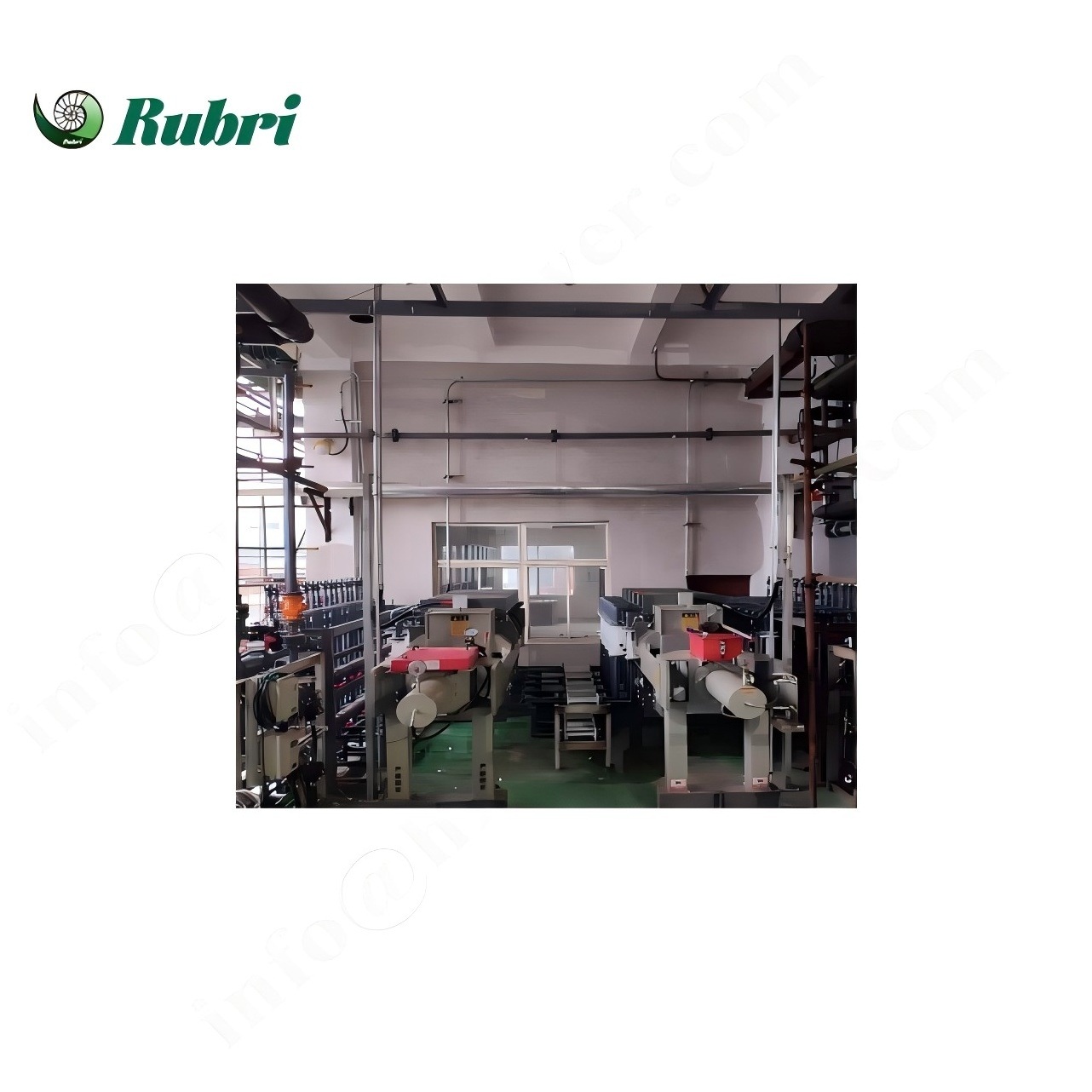
Grundprinzip der bipolaren Membran-Elektrodialyse (BPED)Der Kern der BPED-Technologie liegt in der Kombination aus elektrischem Feld, selektiver Membrantechnologie und der einzigartigen Wasserspaltungsfähigkeit bipolarer Membranen.1. Antriebswirkung des GleichstromfeldesUnter dem Einfluss eines Gleichstromfeldes wandern Ionen gerichtet: Kationen bewegen sich zur Kathode, Anionen hingegen zur Anode.2. MembranfunktionenBipolare Membran (BPM): Spaltet Wasser (H₂O) hineinH+UndOH−Ionen unter dem Einfluss eines elektrischen Feldes dienen als Quelle für die Säure- und Basenproduktion.Kationenaustauschmembran (CEM): Lässt Kationen selektiv durch.Anionenaustauschmembran (AEM): Lässt Anionen selektiv durch.Durch abwechselnde Anordnung dieser Membranen können Salze in entsprechende Säuren und Basen umgewandelt werden.
Mehr lesen


 IPv6 NETZWERK UNTERSTÜTZT