Deutsch
 English
 français
 italiano
 русский
 español
 português
 العربية
 Nederlands
 한국의
한국의 Romania
 Bulgaria
 Melayu

Einführung
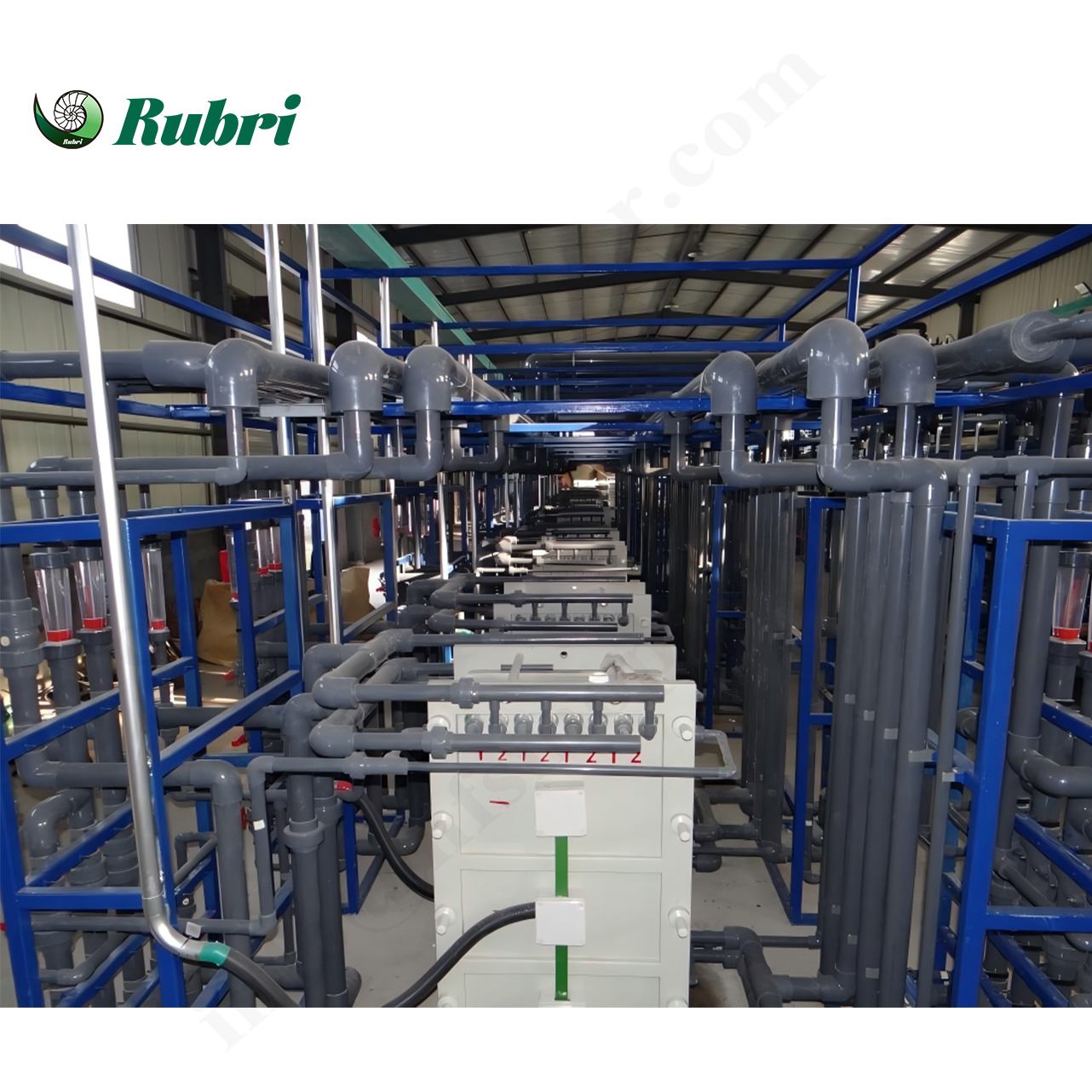
Die bipolare Membran-Elektrodialyse (BMED) ist eine fortschrittliche elektrochemische Trenntechnologie, die mithilfe eines speziellen Membranstapels Salze direkt in die entsprechenden Säuren und Basen umwandelt. Kernstück ist die bipolare Membran (BPM), die aus einer Kationenaustauscherschicht und einer Anionenaustauscherschicht besteht, die laminiert sind. Unter dem Einfluss eines Gleichstromfeldes katalysiert die BPM die Dissoziation von Wassermolekülen an ihren Grenzflächen, wodurch H⁺- und OH⁻-Ionen entstehen. Diese Ionen wandern durch den Membranstapel und reagieren mit den Anionen und Kationen einer Salzlösung, wodurch gleichzeitig Säure- und Basenprodukte gebildet werden.
Systemkonfigurationen
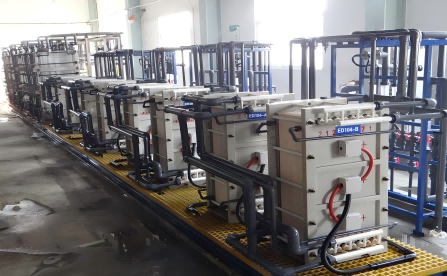
BMED-Systeme werden primär anhand ihres Zellpaardesigns kategorisiert:
Zweikammersystem: Die einfachste Konfiguration, bestehend aus abwechselnden bipolaren und monopolaren (entweder Anionen- oder Kationen-)Austauschmembranen. Es ist kompakt und energieeffizient, kann aber Produkte mit geringerer Reinheit liefern.
Dreikammersystem: Dies ist die am weitesten verbreitete industrielle Konfiguration. Es besteht aus einer sich wiederholenden Einheit einer bipolaren Membran (BPM), einer Kationenaustauschermembran (CEM) und einer Anionenaustauschermembran (AEM) und bildet so drei separate Kammern: eine zentrale Salzkammer, eine Säurekammer und eine Basenkammer. Diese Konstruktion gewährleistet eine hohe Produktreinheit und eine effiziente Trennung.
Mehrkammersysteme: Diese komplexeren Konstruktionen (z. B. vier oder fünf Kammern) werden für spezielle Anwendungen eingesetzt, die die Trennung mehrerer ionischer Spezies erfordern oder um sehr hohe Konzentrationsgradienten zu erreichen.
Wichtigste Vorteile
BMED bietet gegenüber herkömmlichen chemischen Verfahren mehrere überzeugende Vorteile:
Umweltfreundliches und nachhaltiges Verfahren: Die Technologie benötigt keine externen Chemikalien (wie starke Säuren oder Basen zur Neutralisation). Als Hauptbestandteile dienen Salz und Wasser, als Hauptprodukte Säure und Base. Dadurch entsteht ein geschlossener Kreislauf mit nahezu abwasserfreier Produktion.
Hohe Produktreinheit: BMED kann hochreine Säuren und Basen herstellen. Beispielsweise ist das Unternehmen in der Lage, Lithiumhydroxid (LiOH) in Elektronikqualität ohne Natriumverunreinigung zu produzieren, was für Batterieanwendungen von entscheidender Bedeutung ist.
Rohstoffrückgewinnung und -verwertung: Dabei werden Abfallsalze (z. B. NaCl, Na₂SO₄, Li₂SO₄) aus Industrieabwässern in wertvolle Säure- und Alkaliprodukte umgewandelt, wodurch ein Entsorgungsproblem in eine wirtschaftliche Chance verwandelt wird.
Energieeffizienz und Wirtschaftlichkeit: Da BMED bei Umgebungsbedingungen arbeitet, verbraucht es weniger Energie als thermische Verfahren wie Verdampfung oder die traditionelle Kaustizierung zur LiOH-Herstellung. Die Betriebskosten beschränken sich hauptsächlich auf Stromkosten und Abschreibungen der Anlagen.
Hohe Ausbeute und Selektivität: Das Verfahren ist hochselektiv und ermöglicht nahezu quantitative Ausbeuten. Bei der LiOH-Herstellung beispielsweise ist der Lithiumverlust minimal, was zu einer Rückgewinnungsrate von über 99 % führt.
Hauptanwendungen
Die BMED-Technologie hat in verschiedenen Branchen vielfältige und wirkungsvolle Anwendungen gefunden:
Herstellung organischer Säuren/Alkalien: Das Verfahren wandelt organische Säuresalze (z. B. Natriumlactat, Natriumcitrat, Natriumgluconat, Aminosäuresalze) effizient und direkt in ihre freien Säureformen um. Ebenso können organische Basen wie Entschwefelungsamine und ionische Flüssigkeiten ohne Zugabe fremder Kationen regeneriert werden.
Nutzung von Sole und Abfallsalzen: Anstelle der energieintensiven Verdampfung und Kristallisation, die feste Abfälle erzeugt, wandelt BMED anorganische Salze aus industriellen Abwässern in wiederverwendbare HCl/NaOH oder H₂SO₄/NaOH um und löst damit sowohl das Abfallproblem als auch das Problem der Rohstoffbeschaffung.
Hochreine chemische Synthese: Eine Vorzeigeanwendung ist die Herstellung von Lithiumhydroxid in Batteriequalität aus Lithiumsulfat-Sole. Das Verfahren liefert hochreines LiOH und Schwefelsäure als Nebenprodukte und bietet deutliche Vorteile hinsichtlich Qualität, Ausbeute und Umweltverträglichkeit.
Umweltsanierung & Kreislaufwirtschaft: BMED ist integraler Bestandteil von Zero-Liquid-Discharge-Konzepten (ZLD) in Sektoren wie der Galvanotechnik, der Seltene-Erden-Verarbeitung sowie der Lebensmittel- und Pharmaindustrie, wo es die Rückgewinnung wertvoller Chemikalien aus komplexen Abfallströmen ermöglicht.
Pharmazeutische und Lebensmittelindustrie: Die Technologie wird zur schonenden Reinigung und Konzentration hitzeempfindlicher Verbindungen wie Vitamine, Aminosäuren und anderer biobasierter Produkte eingesetzt, wobei deren Integrität erhalten bleibt.
EinführungDie bipolare Membran-Elektrodialyse (BMED) ist eine fortschrittliche elektrochemische Trenntechnologie, die mithilfe eines speziellen Membranstapels Salze direkt in die entsprechenden Säuren und Basen umwandelt. Kernstück ist die bipolare Membran (BPM), die aus einer Kationenaustauscherschicht und einer Anionenaustauscherschicht besteht, die laminiert sind. Unter dem Einfluss eines Gleichstromfeldes katalysiert die BPM die Dissoziation von Wassermolekülen an ihren Grenzflächen, wodurch H⁺- und OH⁻-Ionen entstehen. Diese Ionen wandern durch den Membranstapel und reagieren mit den Anionen und Kationen einer Salzlösung, wodurch gleichzeitig Säure- und Basenprodukte gebildet werden.
Mehr lesen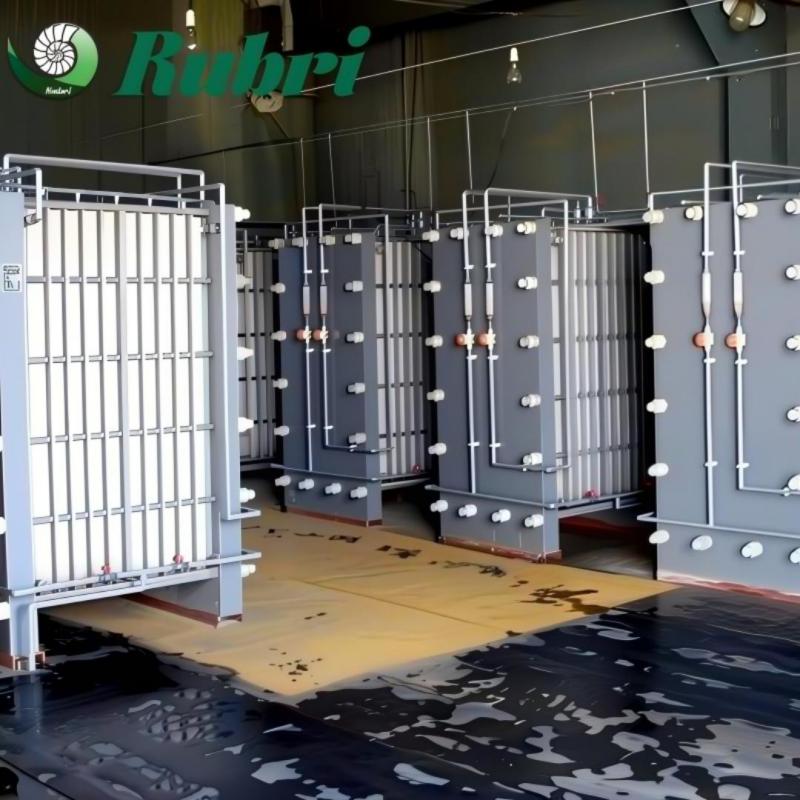
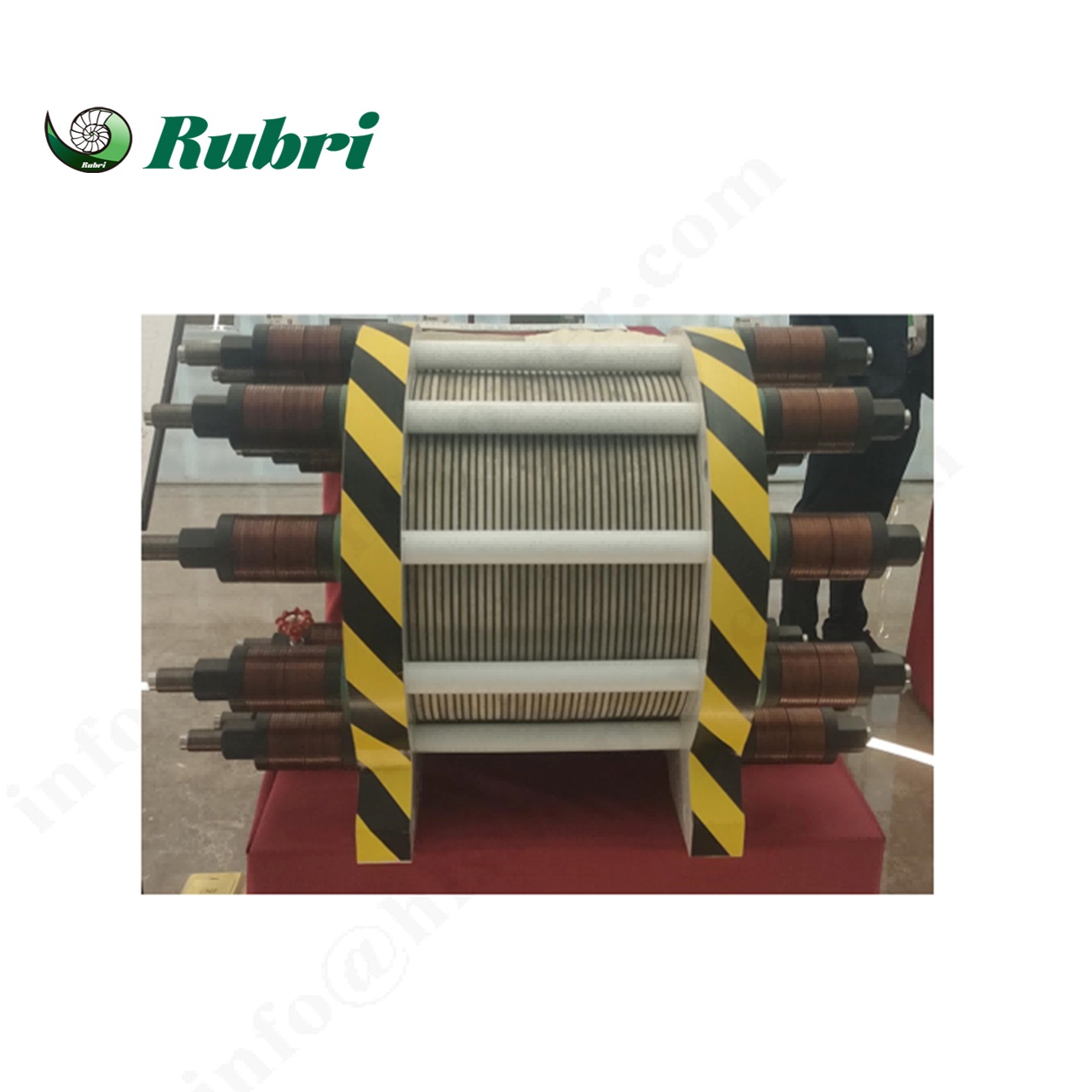
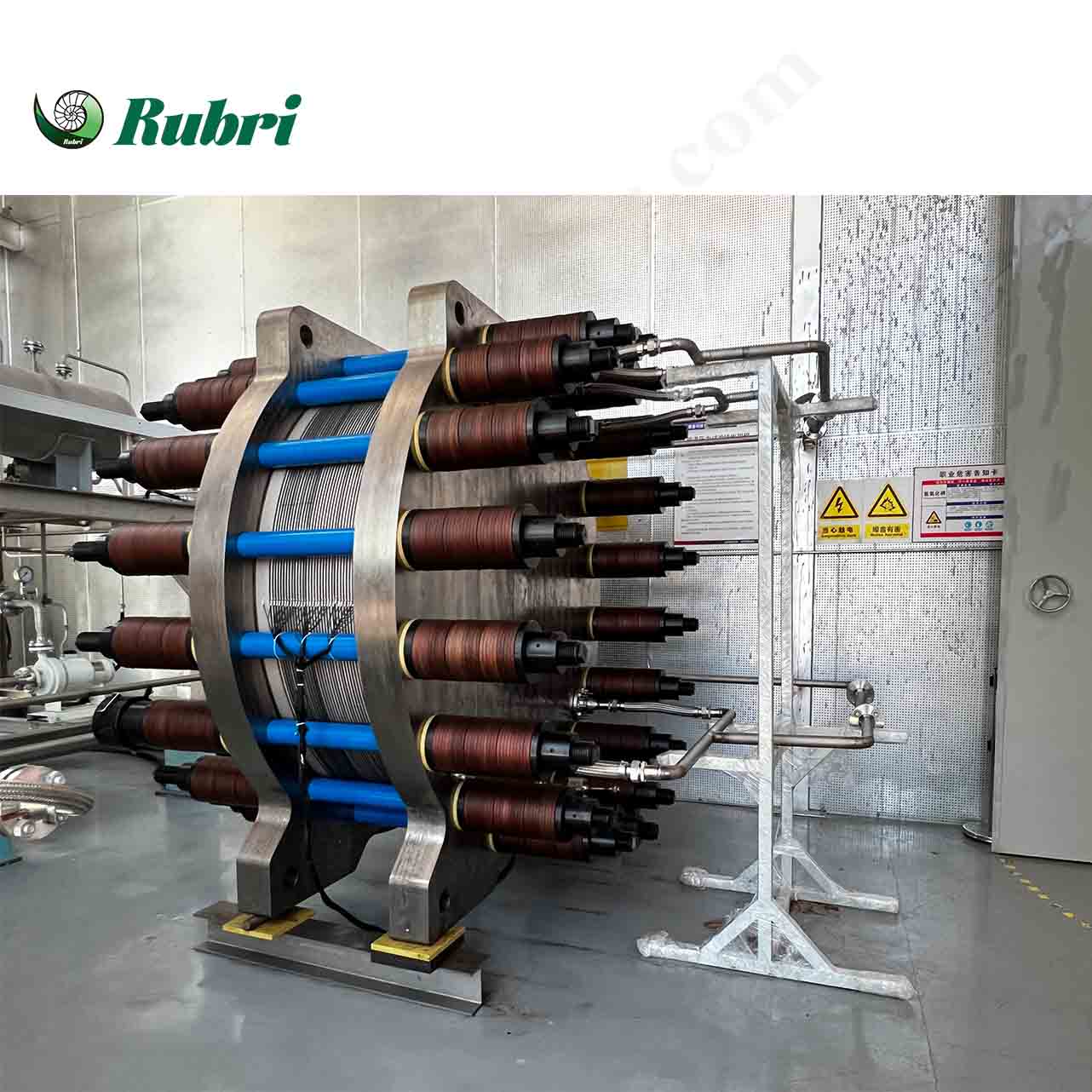
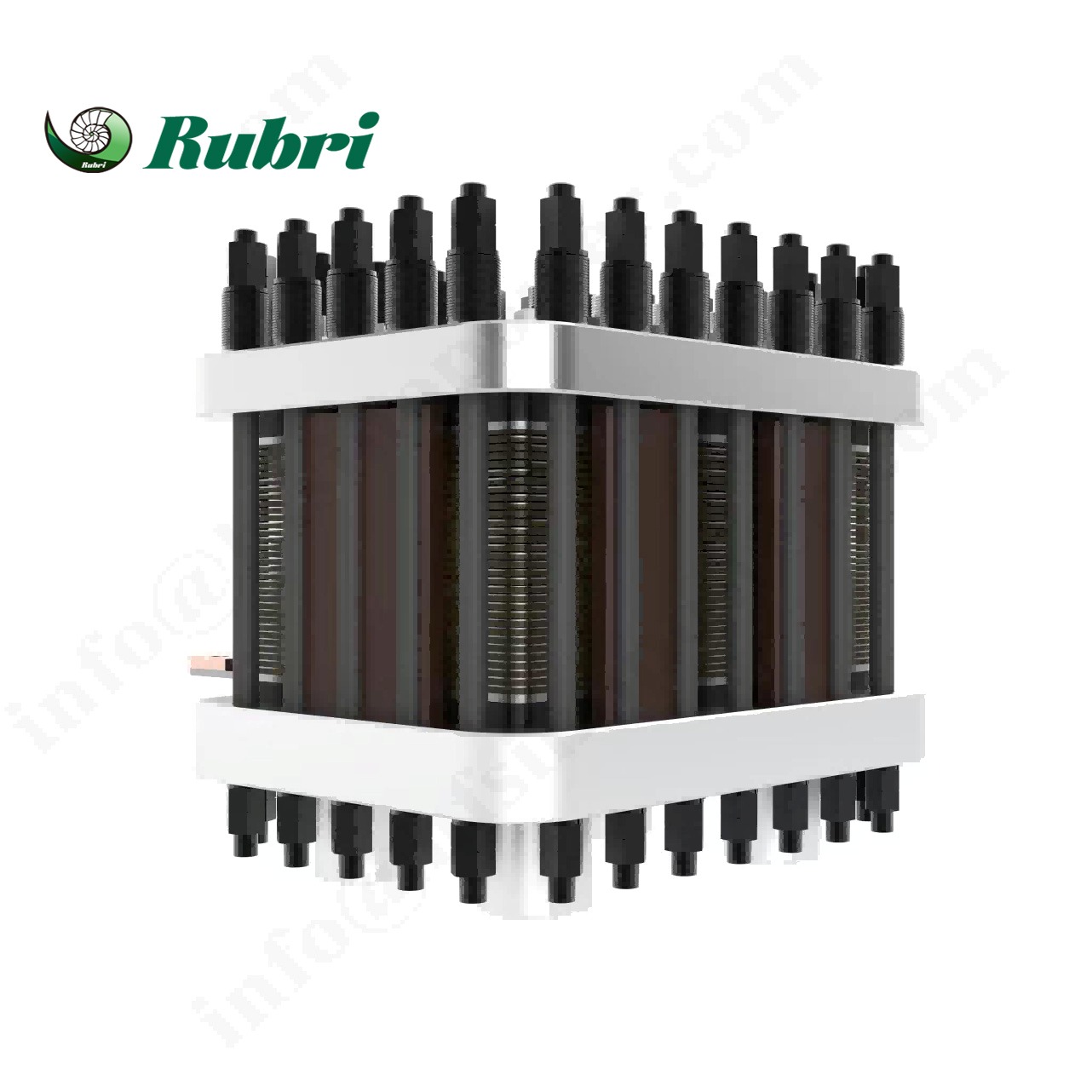
Der Elektrodialysator ist ein zentrales Gerät zur Ionentrennung, das auf der Elektrodialysetechnologie basiert. Durch Anlegen eines Gleichstromfeldes und den Einsatz von Anionen- und Kationenaustauschmembranen ermöglicht er die gerichtete Migration und Trennung von Ionen in Flüssigkeiten. Dank seiner einfachen und zuverlässigen Bauweise ist er in verschraubten und hydraulisch integrierten Ausführungen für unterschiedliche Anwendungsbereiche erhältlich. Er findet breite Anwendung in der Meerwasserentsalzung, der industriellen Abwasserbehandlung, der Lebensmittelkonzentration, der pharmazeutischen Reinigung und der Elektrolytverarbeitung für neue Energien und ermöglicht die effiziente Entsalzung, Konzentration und Entfernung ionischer Verunreinigungen von Lösungen.
Mehr lesen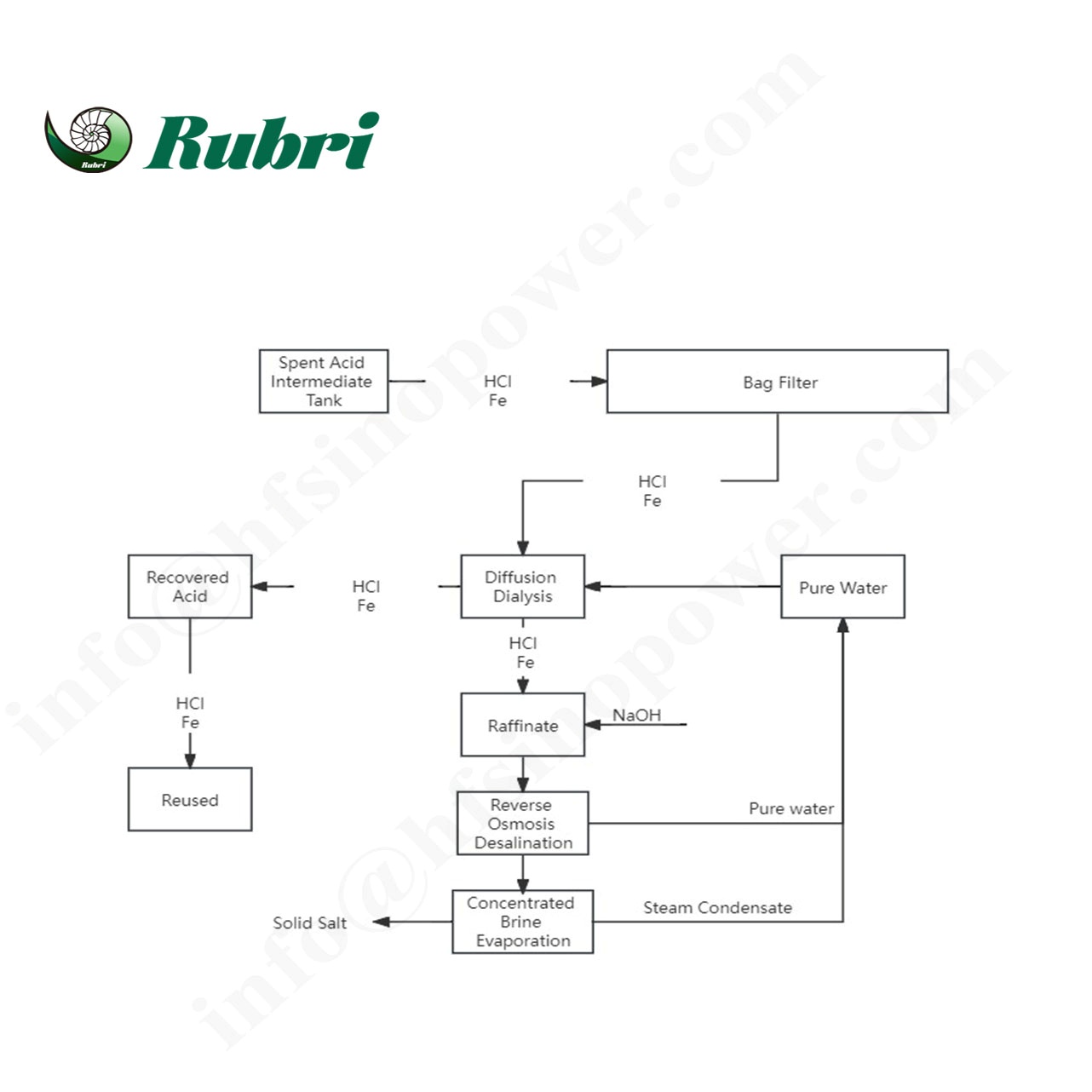
Rubri ist Experte für Diffusionsdialysetechnologie und verfügt über umfassende Erfahrung in der Entwicklung und Umsetzung kundenspezifischer Lösungen. So bietet Rubri seinen Kunden umweltfreundliche und saubere Produktionslösungen.
Mehr lesen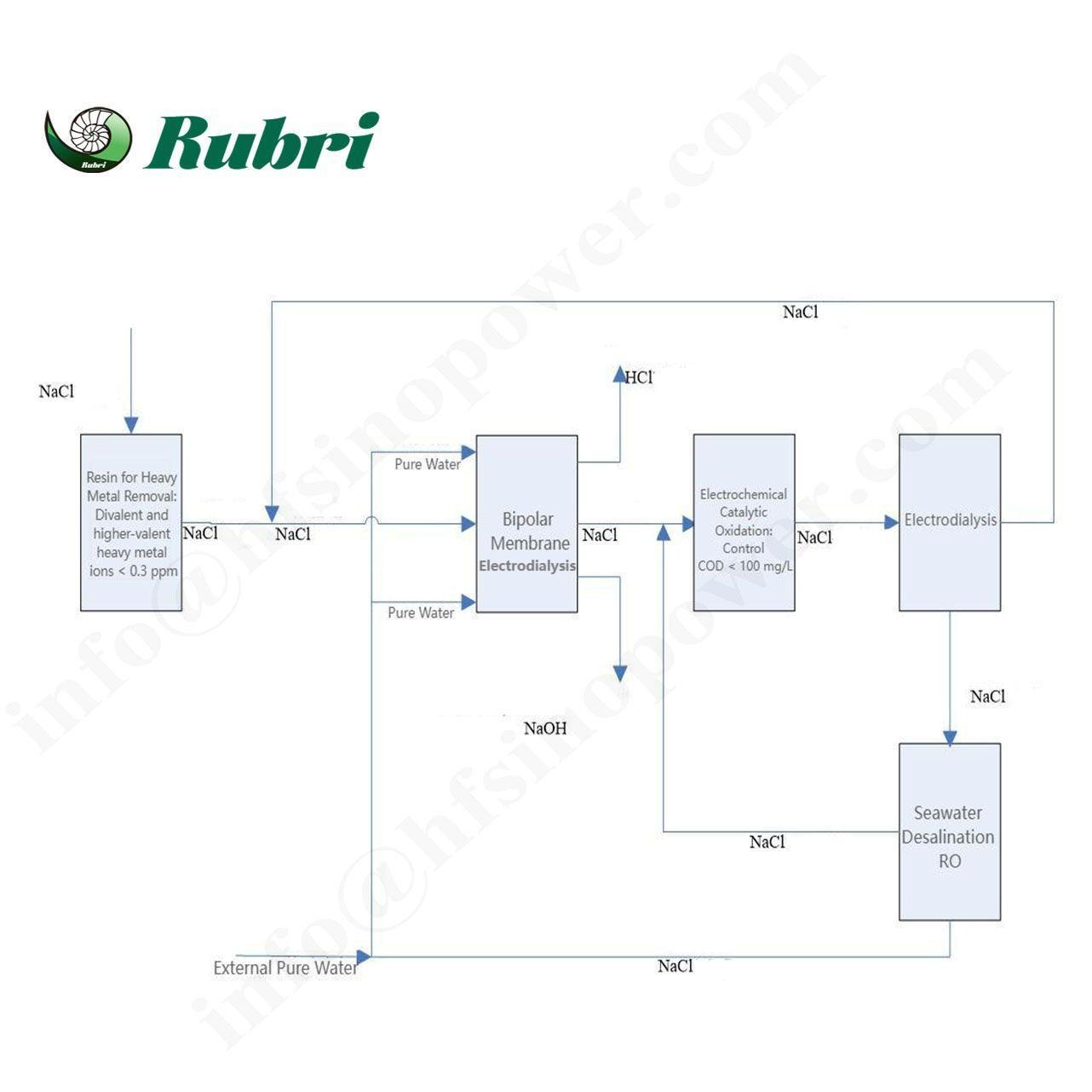
Rubri ist Experte für die bipolare Membran-Elektrodialyse-Technologie und verfügt über umfassende Erfahrung in der Entwicklung und Umsetzung kundenspezifischer Lösungen. So bietet Rubri seinen Kunden ganzheitliche, umweltfreundliche Produktionspläne.
Mehr lesen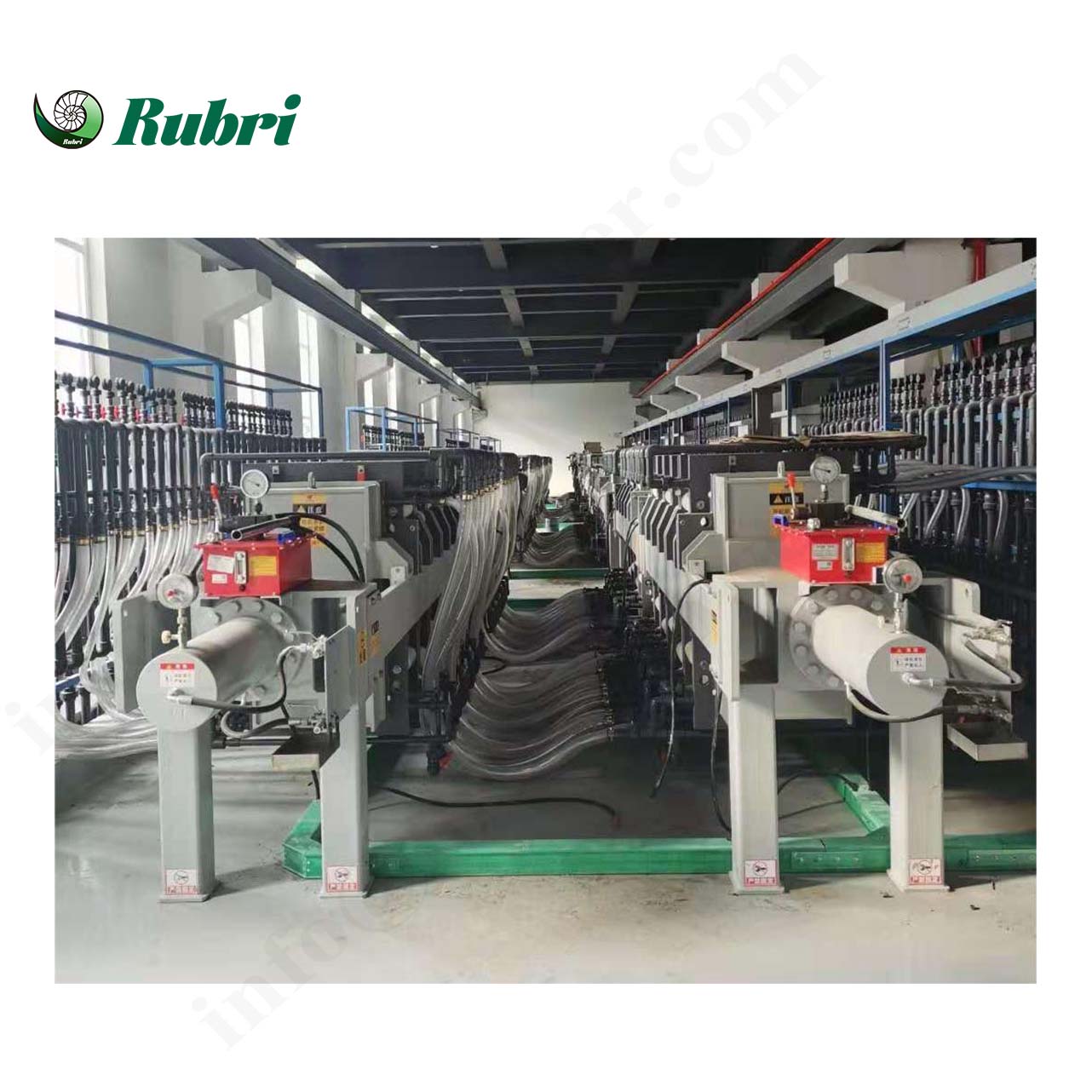
Grundprinzip der ElektrodialyseDas Kernstück der Elektrodialysetechnologie liegt in der Kombination von elektrischem Feld und selektiver Membrantechnologie, wobei das spezifische Prinzip in zwei Teile unterteilt ist:1. Antriebswirkung des GleichstromfeldesUnter dem Einfluss eines Gleichstromfeldes bewegen sich Anionen und Kationen in der Lösung gerichtet: Kationen wandern zur negativen Elektrode, Anionen hingegen zur positiven Elektrode.2. Selektive Siebwirkung von IonenaustauschermembranenIm System werden zwei Arten von Ionenaustauschermembranen zur Ionentrennung eingesetzt:Kationenaustauschmembran: Lässt nur Kationen durch (z. B. Na+).+, Ca2+, Mg2+) durchzulassen, während Anionen blockiert werden.Anionenaustauschmembran: Lässt nur Anionen (z. B. Cl⁻) durch.-, ALSO42-) durchzulassen, während Kationen blockiert werden.
Mehr lesen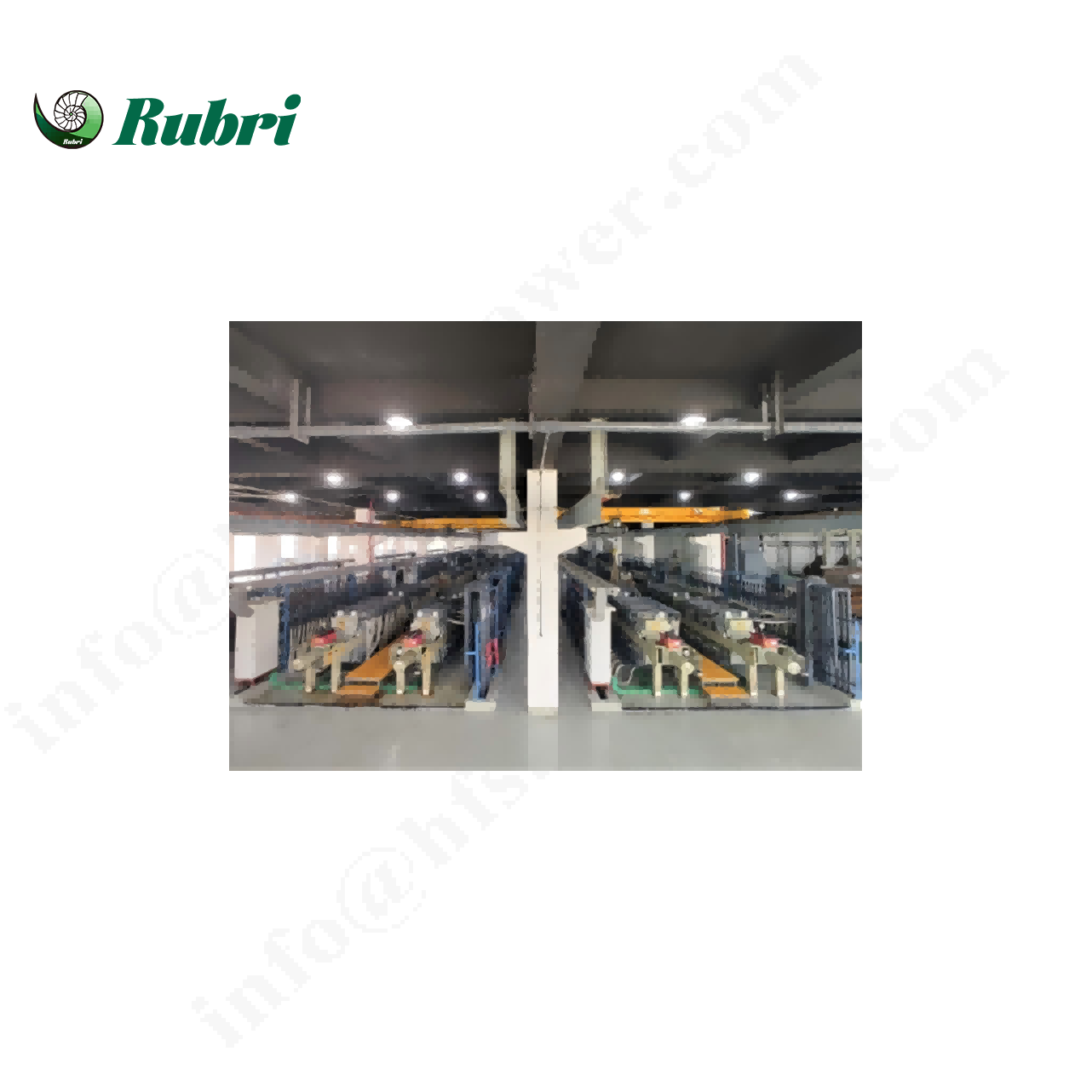
Diese Technologie basiert auf dem Prinzip der bipolaren Membran-Elektrodialyse. Unter Einwirkung eines Gleichstromfeldes werden Wassermoleküle mithilfe bipolarer Membranen effizient in Wasserstoff- und Hydroxidionen gespalten. Dadurch werden Salze im Galvanikabwasser (wie Natriumchlorid, Natriumsulfat usw.) gezielt in entsprechende Säuren (wie Salzsäure, Schwefelsäure) und Laugen (wie Natriumhydroxid) umgewandelt. Dies ermöglicht die gleichzeitige Abwasserreinigung und Rohstoffrückgewinnung.
Mehr lesen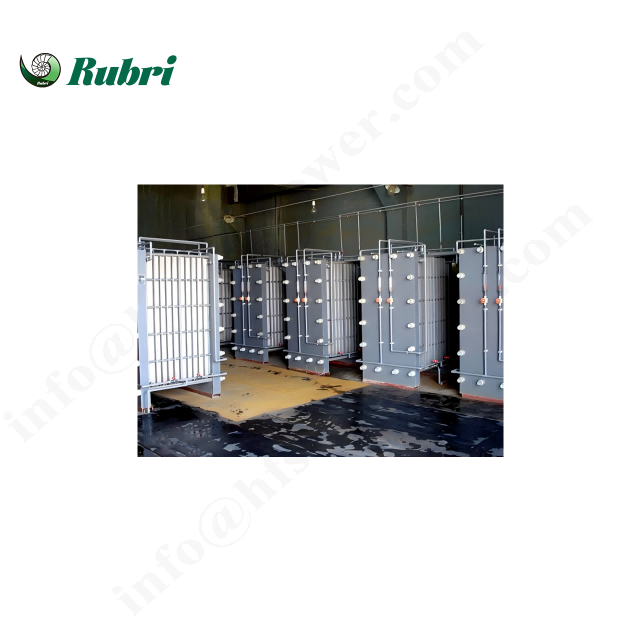
Grundprinzip der ElektrodialyseDas Kernstück der Elektrodialysetechnologie liegt in der Kombination von elektrischem Feld und selektiver Membrantechnologie. Ihr spezifisches Prinzip lässt sich in zwei Teile gliedern:Antriebswirkung des Gleichstromfeldes und des KonzentrationsgradientenUnter dem Einfluss eines Gleichstromfeldes oder eines Konzentrationsgradienten bewegen sich Anionen und Kationen in der Lösung gerichtet: Kationen wandern zur negativen Elektrode, Anionen zur positiven Elektrode; gelöste Stoffe bewegen sich von Lösungen mit hoher Konzentration zu solchen mit niedriger Konzentration.Selektiver Siebeffekt von IonenaustauschermembranenIm System werden zwei Arten von Ionenaustauschermembranen zur Ionentrennung eingesetzt:Kationenaustauschmembran: Lässt nur Kationen (z. B. Na⁺, Ca²⁺, Mg²⁺) passieren, während Anionen zurückgehalten werden.Anionenaustauschmembran: Lässt nur Anionen (z. B. Cl⁻, SO₄²⁻) durch, während Kationen zurückgehalten werden.
Mehr lesen
Grundprinzip der bipolaren Membran-Elektrodialyse (BPED)Der Kern der BPED-Technologie liegt in der Kombination aus elektrischem Feld, selektiver Membrantechnologie und der einzigartigen Wasserspaltungsfähigkeit bipolarer Membranen.1. Antriebswirkung des GleichstromfeldesUnter dem Einfluss eines Gleichstromfeldes wandern Ionen gerichtet: Kationen bewegen sich zur Kathode, Anionen hingegen zur Anode.2. MembranfunktionenBipolare Membran (BPM): Spaltet Wasser (H₂O) hineinH+UndOH−Ionen unter dem Einfluss eines elektrischen Feldes dienen als Quelle für die Säure- und Basenproduktion.Kationenaustauschmembran (CEM): Lässt Kationen selektiv durch.Anionenaustauschmembran (AEM): Lässt Anionen selektiv durch.Durch abwechselnde Anordnung dieser Membranen können Salze in entsprechende Säuren und Basen umgewandelt werden.
Mehr lesen


 IPv6 NETZWERK UNTERSTÜTZT